Basement Mold Services

These are the basement mold and moisture services you can request through this site in Macomb, Illinois. An independent local professional does the work; drying and moisture control is confirmed with that professional. Waterproofing, foundation and sump pump work are not offered.

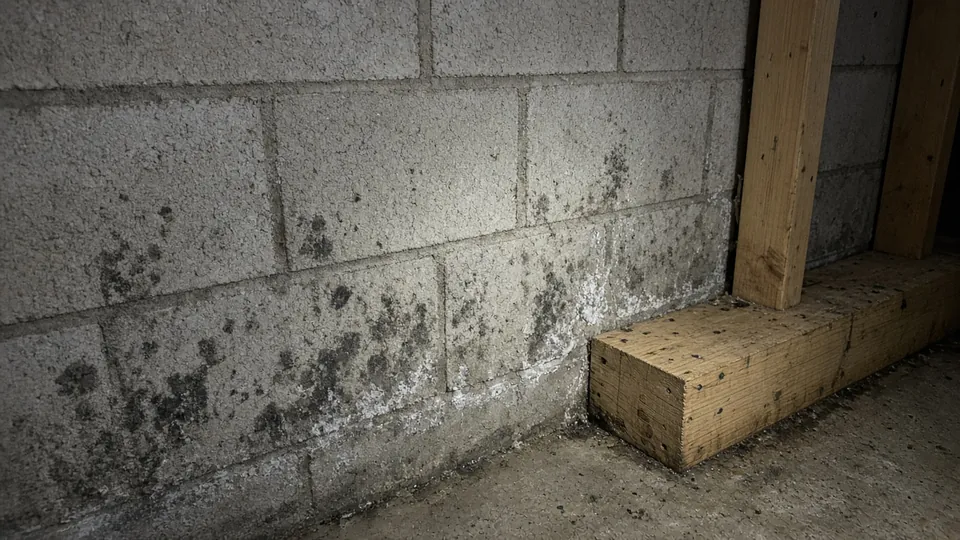
Basement wall with visible growth and water staining near the floor

Basement Mold Removal in Macomb

Basement mold removal means cleaning hard surfaces, removing porous materials that cannot be saved and fixing the moisture that let mold grow. In Macomb you can use this site to send a free estimate request; an independent local professional does the work.

Mold on basement walls, wood framing, paneling or stored boxes usually points to moisture that has stayed too long: seepage after rain, a plumbing leak, or condensation on cool concrete in humid summer weather. Cleaning the visible patch without dealing with that moisture often means the growth comes back.

A typical job starts with a look at the affected area and its moisture history, then precautions to keep dust from spreading, cleaning of hard surfaces and removal of materials such as damp drywall, insulation or cardboard that cannot be cleaned. EPA guidance suggests a professional for areas larger than about 10 square feet.

Ask the professional to explain the scope in writing: which surfaces will be cleaned, what will be removed, how the area will be dried and which repairs, such as plumbing, fall outside the job.

Basements in Macomb are often unfinished, with concrete block or poured walls, exposed joists and stored belongings close to the floor. Those surfaces behave differently. Concrete and block can usually be cleaned, while cardboard, paper-backed drywall, carpet and fiberglass insulation hold moisture and may need to be bagged and removed. Wood framing is judged on its condition: surface growth can often be cleaned, but soft or deteriorated wood may need further work by a carpenter.

Before work starts, it helps to note where you see growth, when you first noticed it, whether it gets worse after rain, and whether anything has leaked. Photos of the area are useful; you can send them by replying to our confirmation email. Avoid scrubbing or sanding large patches yourself, because that can spread dust and spores to the rest of the house.

Once the work is done, the area should be dry, the agreed materials removed or cleaned, and debris taken away. Keeping relative humidity in the basement low and checking the area after heavy rain helps you spot any return early.
More about basement mold removal →

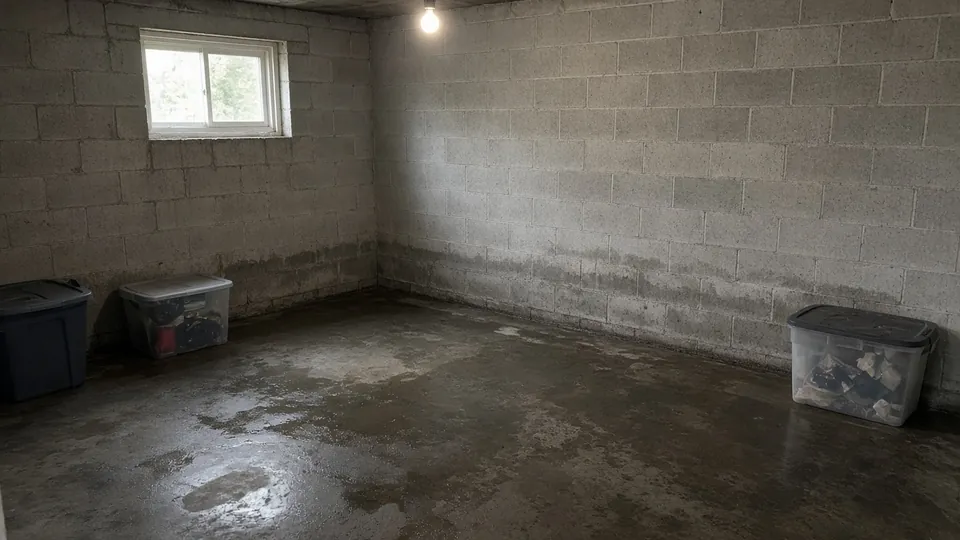
Basement after water intrusion with damp lower wall and wet materials

Basement Mold Removal After Water Damage in Macomb

After a leak, seepage or flooding, wet basement materials can grow mold if they stay damp. The work combines finding the water source, removing affected materials, cleaning and drying. Send a free estimate request and an independent local professional can review it.

The EPA stresses drying wet building materials quickly and fixing the source of the water. When a basement has taken on water, drywall, carpet, insulation and stored belongings can hold moisture long after the floor looks dry.

A professional will usually ask where the water came from, how long materials were wet and whether the water was clean or contaminated, then identify what can be cleaned and what should be removed. Water from outside or sewage may need extra precautions.

If the water source is a foundation crack, drainage problem or broken pipe, that repair is a separate job for a plumber or another specialist. This site does not advertise waterproofing, foundation repair or sump pump work.

EPA guidance notes that wet materials dried within 24 to 48 hours are much less likely to grow mold. If the basement got wet days ago and carpet, boxes or the lower part of drywall still feel damp, mold may already be starting, even if it is not visible yet. Paneling and finished walls can hide damp insulation behind them.

Useful details to include in your request: when the water came in, how deep it was, which rooms and materials were affected, whether anything was already removed, and whether you have filed an insurance claim. The professional can then judge whether cleaning, removal of materials, drying or a combination is needed. Questions about insurance coverage belong with your insurer.

Until someone looks at the space, it is reasonable to stop the water if you safely can, move dry belongings out, and run ventilation or a dehumidifier. Avoid entering standing water near electrical outlets or appliances. If sewage was involved, keep children and pets away and leave cleanup of those materials to a professional.

More about after water damage →

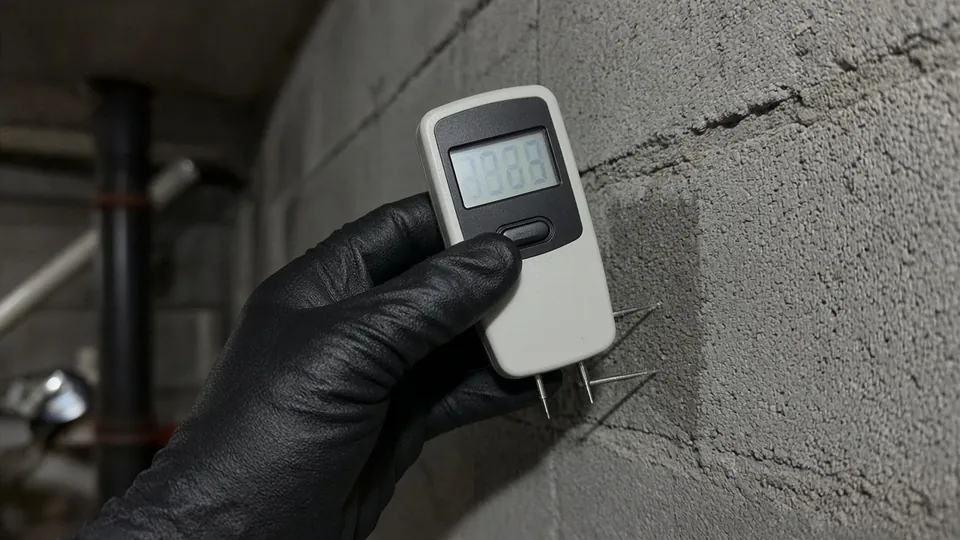
Gloved hand holding a moisture meter against a basement block wall

Mold & Moisture Source Assessment in Macomb

A moisture source assessment looks at where mold is growing and why the basement stays damp: leaks, seepage, condensation or humidity. Lab testing is not required in most cases; the EPA says sampling is usually unnecessary when mold is visible.

A professional will typically note the location and pattern of growth, ask about past water events, and may use a moisture meter on walls and framing. Growth low on walls often points to seepage; growth on cold pipes or walls in summer often points to condensation.

EPA guidance explains that if mold is visible, sampling is usually not needed, and there are no federal limits for mold to compare results against. Testing can still help in specific cases, for example when hidden growth is suspected; discuss it with the professional rather than assuming it is required.

The outcome should be a plain explanation of the likely moisture sources and the next steps, including any work that belongs to another trade.

Typical moisture sources in Illinois basements include water running toward the foundation from gutters and downspouts, seepage through block walls after heavy spring rain, plumbing leaks around water heaters and laundry hookups, and condensation on cool walls and pipes during humid summer weather. Often more than one source is involved.

An assessment does not have to be complicated. The professional may compare moisture readings on affected and unaffected walls, look for staining patterns and white mineral deposits, check around plumbing, and ask how the basement is used and ventilated. A simple hygrometer reading of indoor humidity can also help; the EPA suggests keeping indoor humidity below about 60 percent, ideally 30 to 50 percent.

If the assessment points to drainage, grading or a foundation crack, that repair is outside the services requested through this site, and the professional can tell you which kind of contractor to contact. Fixing the source first means any cleanup that follows is more likely to last.

More about moisture source assessment →

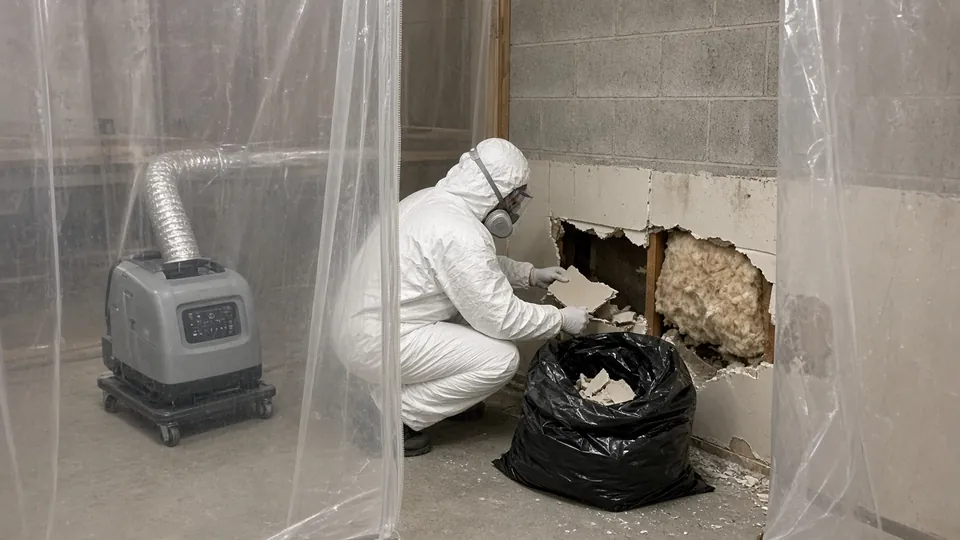
Contained basement work area with air filtration and protective equipment

Cleaning & Removal of Affected Materials in Macomb

Hard, non-porous surfaces can usually be cleaned, while porous materials such as drywall, insulation, ceiling tiles or carpet may need removal. Containment and protective equipment are used when the job calls for it. An independent professional sets the scope after evaluation.

EPA guidance notes that absorbent materials with mold may have to be thrown away, because mold can grow into empty spaces and crevices. Concrete and metal can generally be cleaned; wood framing depends on its condition.

On larger jobs, the work area may be sealed with plastic sheeting, kept under negative air with HEPA filtration, and debris bagged before it leaves the basement. Workers use gloves, eye protection and respirators.

Ask how debris will be handled and disposed of, what the area will look like when the job is done, and whether reconstruction such as new drywall is included or separate.

The EPA mold cleanup guidance describes hard surfaces being scrubbed with water and detergent and dried completely. It does not recommend relying on bleach as a routine treatment, and it warns never to mix bleach with ammonia or other cleaners. Ceiling tiles, carpet and pad, and drywall with growth on the paper facing are commonly discarded rather than cleaned.

Removal is usually limited to the affected section plus a margin, rather than an entire wall, but the exact extent is decided on site. In a finished basement, the professional may cut a small inspection opening to see whether insulation or framing behind the drywall is affected before agreeing the full scope.

Belongings stored in the basement are worth sorting before the work: items on hard plastic or metal can often be wiped and dried, while damp paper, cardboard and fabric may need to be thrown away or professionally cleaned. Ask the professional whether moving contents and replacing drywall or flooring is part of their estimate.

More about cleaning & removal →

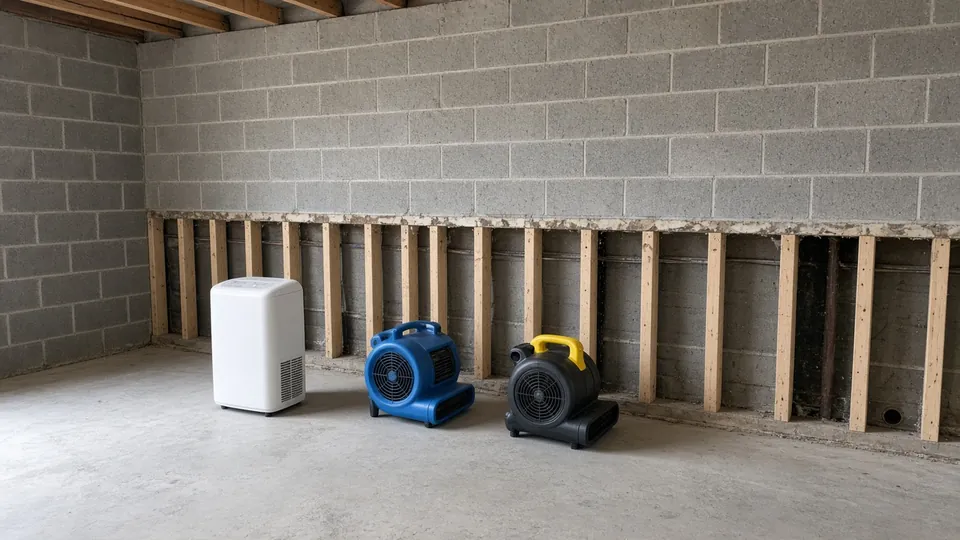
Clean, dry unfinished basement with a dehumidifier running

Drying & Moisture Control in Macomb

Drying and dehumidification can be part of a basement mold job, but whether it is offered depends on the independent professional. Availability depends on the local professional, so confirm it when they contact you. Waterproofing, foundation repair and sump pumps are not part of this service.

A basement can stay damp after visible water is gone. Moisture lingers in walls, floors, wood and stored items, and humid summer air condenses on cool concrete. Without drying, mold may develop or return.

When offered, this work can include air movers and dehumidifiers, moisture readings to confirm materials are dry, and advice on keeping indoor humidity in check. Availability depends on the local professional. A dehumidifier helps manage humidity but does not stop a leak or remove existing mold.

Please confirm with the professional whether drying and moisture control is included in your estimate. If the cause is drainage, a foundation crack or plumbing, a separate specialist will be needed.

Drying usually means removing wet materials that cannot be saved, then using air movement and dehumidification until moisture readings on walls, framing and floors return to normal levels. The time needed depends on the material, the temperature and how much water was absorbed.

For day-to-day moisture control, homeowners can help by keeping gutters clear, extending downspouts away from the foundation, running a properly sized dehumidifier in humid months, insulating cold water pipes that sweat, and keeping stored items off the floor and away from exterior walls. A low-cost hygrometer makes it easy to check that indoor humidity stays below about 60 percent.

This service is about drying and moisture control tied to mold work. It does not include waterproofing, foundation repair or sump pumps, which are separate trades not offered through this site. If one of those is needed, ask the professional which kind of specialist to contact.

More about drying & moisture control →

Areas We Serve

Requests are accepted from Macomb, Illinois, the McDonough County seat. Colchester, Bushnell and Industry are proposed coverage: you can send a request from those towns, and the independent professional confirms whether they can take a job at your address.

Coverage around Macomb, McDonough County, IL
CommunityZIPPopulationStatus
Macomb, IL6145515,051 (2020 Census)Main area
Colchester, IL623261,108 (2020 Census)Proposed coverage
Bushnell, IL614222,718 (2020 Census)Proposed coverage
Industry, IL61440399 (2020 Census)Proposed coverage

Sources: Census QuickFacts, MAEDCO community profiles, 2020 Census (Industry). Availability is not guaranteed.

Map © OpenStreetMap contributors. The map shows the area only; there is no office or branch.